
Croatian food is a mix of many tastes. Over time, different empires came and left their food behind. The Ottomans gave us juicy grilled meats like ćevapi, the Austro-Hungarians brought schnitzel and sweet strudels, and the Venetians shared their love for seafood and pasta. Each meal tells a story of the past.
But it’s not just history. Where we live matters too. By the Adriatic Sea, we have fresh seafood. Inland, we have rich land for farming and raising animals. These places shape how we eat.
By the coast: Fresh fish with olive oil, garlic, and herbs, seafood risotto, and pasta full of taste.
Inland: Warm meat stews, roasted meats, and dishes inspired by Hungary, like goulash.
A Day in the Life: From Marenda to Rakija
Start the day: We start with strong coffee. In Croatia, coffee is a big deal. We pair it with a small pastry or some cheese.
Marenda Time
This is an important part of the day – Marenda is a late-morning bite that’s more than just food. It’s a time to chat with friends and neighbors over a small meal. Think warm soups like jota, maybe some cured meats, and a glass of bevanda (half water half red wine).
Fresh finds
Instead of big stores, Croatians love lively outdoor markets. Here, we pick fresh food—ripe tomatoes, colorful peppers, and fresh fish. As I am in Split, I have to recommend visit to Split’s Pazar, where you will find fresh fruits and vegetables every single day.
Main meal
Lunch is the most important meal of the day. Families come together for homemade dishes. No matter what you’re doing, when the mother yells that the lunch is ready, you have to “draw yourself on the chair” (it’s popular saying mothers across Balkan use to assert dominance). Lunch could be anything from a slow-cooked stew to roasted meat with potatoes.
Evening time
Dinner is lighter. Perhaps some grilled fish or a simple salad. And if friends drop by, we bring out the rakija, potent fruit brandy. It’s a symbol of hospitality, even if not everyone partakes.
On a side note – Rakija is the one thing every Croatian family has in their household. Even if you can’t stand the taste of it, it is still used in various other ways, like cleaning windows and glass tables, or rubbing the chest of your offsprings to lower their high fever before you finally give in and rush them to the emergency. Some even swear it’s great for fighting acne.
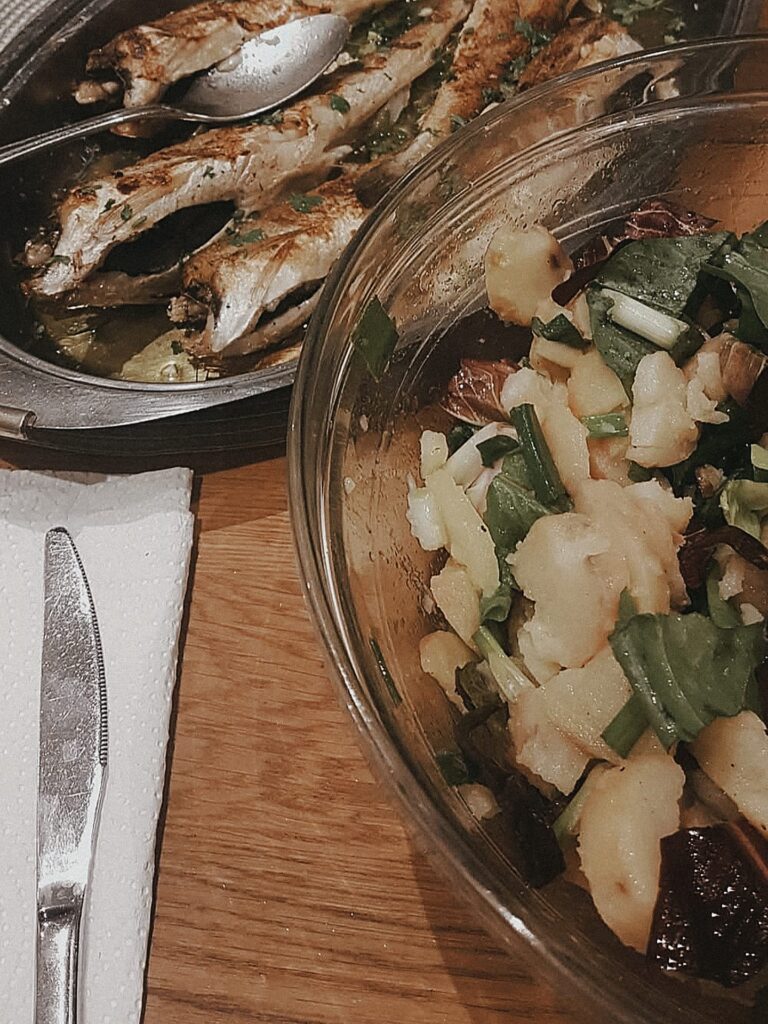
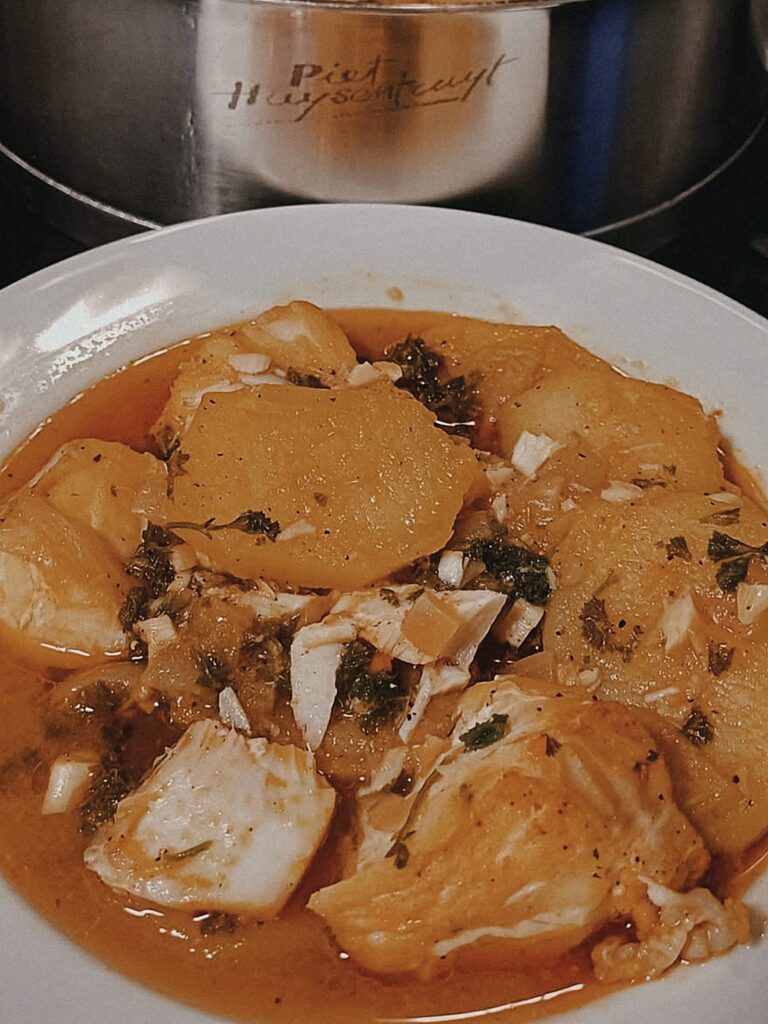
Main Food: From Sea to Land
Let’s look at the main stars of our food:
Fish
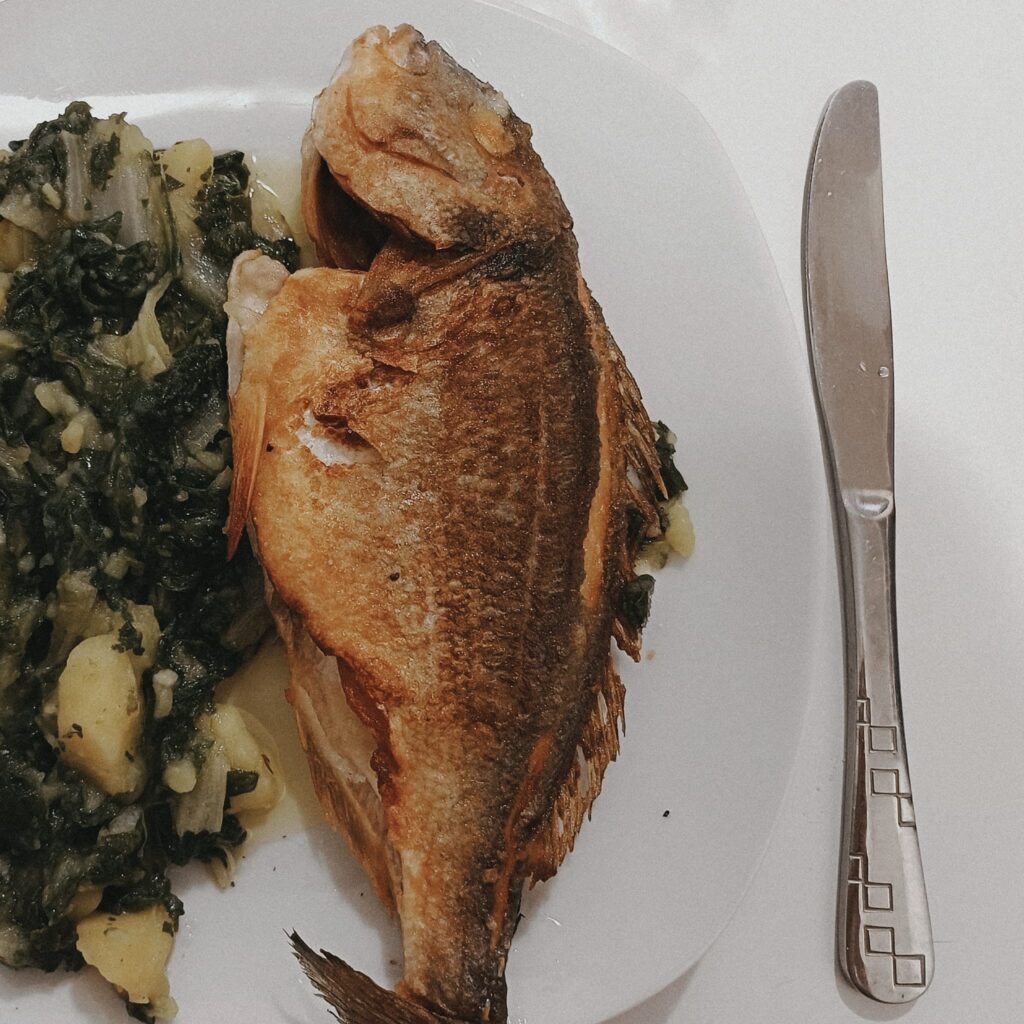
Near the sea, we have lots of fresh fish. Tuna, shrimp, mussels, squid, octopus, sardines, and more. We cook it on fire, bake it, or make it in soups. There are many ways to enjoy it.
Meat
Away from the sea, meat is the main food. Pork, lamb, and beef are loved. They are baked or made into thick soups. Venison is also a delicacy in some regions.
Cheese
We have a wide variety of cheeses, but the most famous is Paški sir, a hard sheep cheese from the island of Pag. It’s similar to Parmesan but with a unique salty flavor.
Veggies
We use many veggies like potatoes, beans, peppers, cabbage, tomatoes, and onions. Truffles are a big deal in Istria.
Olive Oil
This liquid gold is a staple in Dalmatian cuisine. We use it for everything from cooking to dressing salads and just like rakija, it’s also used in skincare.
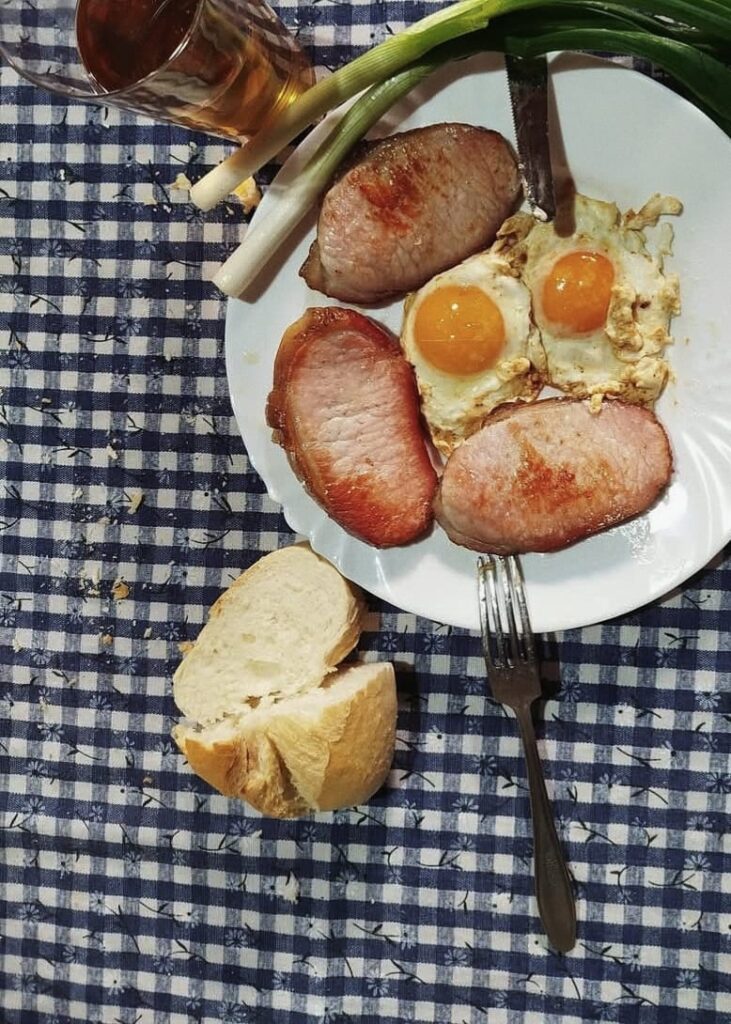
Ways to Cook: From Peka to Grill
We use many ways to cook, just like we use many kinds of food:
Peka
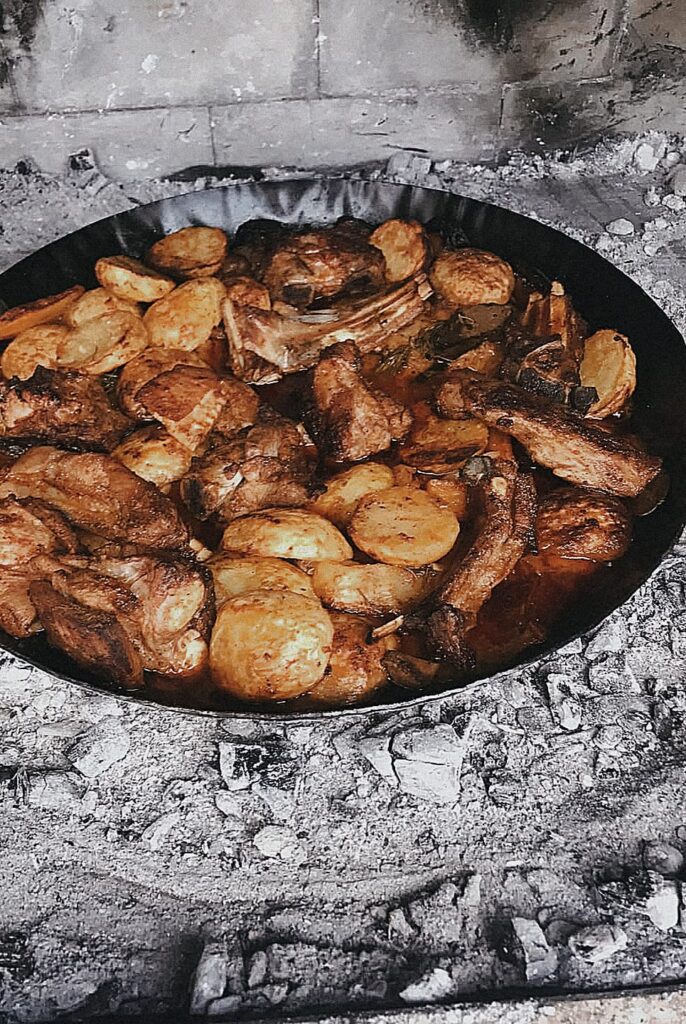
Peka is a loved way to cook in Croatia, found in regions like Dalmatia, Lika, and Istria. This old style uses slow cooking with a lid under hot coals. It’s common in the countryside and on special days. The steps are the same: meat (like lamb, veal, or octopus) and veggies go in a pan, get covered, and sit in the hot coals. The food turns soft, tasty, and gets a smoky smell. From the coast to inland areas, peka is more than food. It’s a valued tradition that unites families and friends. There are many taverns (konoba) where you can experience preparation of Peka which I highly recommend.
Kotlovina
Kotlovina is a loved traditional dish in northern Croatia and Slovenia. It is not just a meal but a way to bring people close. Made on a big flat pan over fire, it is cooked at homes, fairs, or outside. The dish has meats like pork, beef, and sausage mixed with veggies and spices. It has rich tastes and textures. Slow cooking and sharing the meal make kotlovina a true part of tradition and bonding.
Roštilj
Grilling, known as “roštilj” inland and “gradele” by the coast, is a big deal in Croatia. It’s done everywhere—backyards, local spots, or busy pubs. The air fills with the smell of grilled meat and veggies, especially in warmer seasons. People love dishes like ćevapi (small meat sausages) and pljeskavica (meat patty). Every region adds its twist. Coastal areas focus on fresh fish, while inland folks prefer rich, hearty meats. But roštilj isn’t a simple grilling, it’s a way of bonding, especially for male population. Add popular Croatian beers like Ožujsko or Karlovačka in the mix, and you’re in for a fun and relaxed day.
Drinks and Treats: Sweet Ends and Cheers!
No meal in Croatia feels whole without a drink and a sweet bite to close:
Wine
Wine is a big part of daily life in Croatia. Every area has its own types and ways to enjoy it. In Istria, people drink Malvasia, a fresh white wine, often with seafood or before meals, showing its link to the sea. In Slavonia, families love Graševina, a fragrant wine that goes well with rich meals like meat stew. By the Dalmatian coast, strong red wines like Plavac Mali are a favorite, paired with grilled meat or peka. Whether at a small tavern, a fancy dinner, or home with loved ones, wine in Croatia stands for warmth, sharing, and the deep traditions of each place.
Rakija
I already mentioned at the beginning the importance of Rakija. It truely holds a cherished place in Croatian culture, deeply intertwined with social customs and traditions. Distilled from fermented fruit, it comes in various types, with šljivovica (plum brandy) being the most popular, followed by lozovača (grape brandy) and travarica (herbal brandy).
Bambus
While rakija is deeply traditional, bambus is a more modern and casual drink, especially popular among younger Croatians.
Simply put, bambus is a mix of red wine and Coca-Cola. It’s a simple concoction, typically made with equal parts of each, and served with ice. Bambus is definitely not a drink for formal occasions. It’s enjoyed in more relaxed settings, like casual gatherings with friends, outdoor events, or at local bars.
Desserts
Croatian desserts are a delightful mix of influences, from Austro-Hungarian to Mediterranean, resulting in a mix of many tasty treats. Here are a few highlights:
- Kremšnita
- This creamy custard slice is arguably the queen of Croatian desserts, especially popular in the region of Samobor near Zagreb. It features layers of flaky pastry with a rich vanilla custard filling, often topped with whipped cream and powdered sugar.
- Fritule
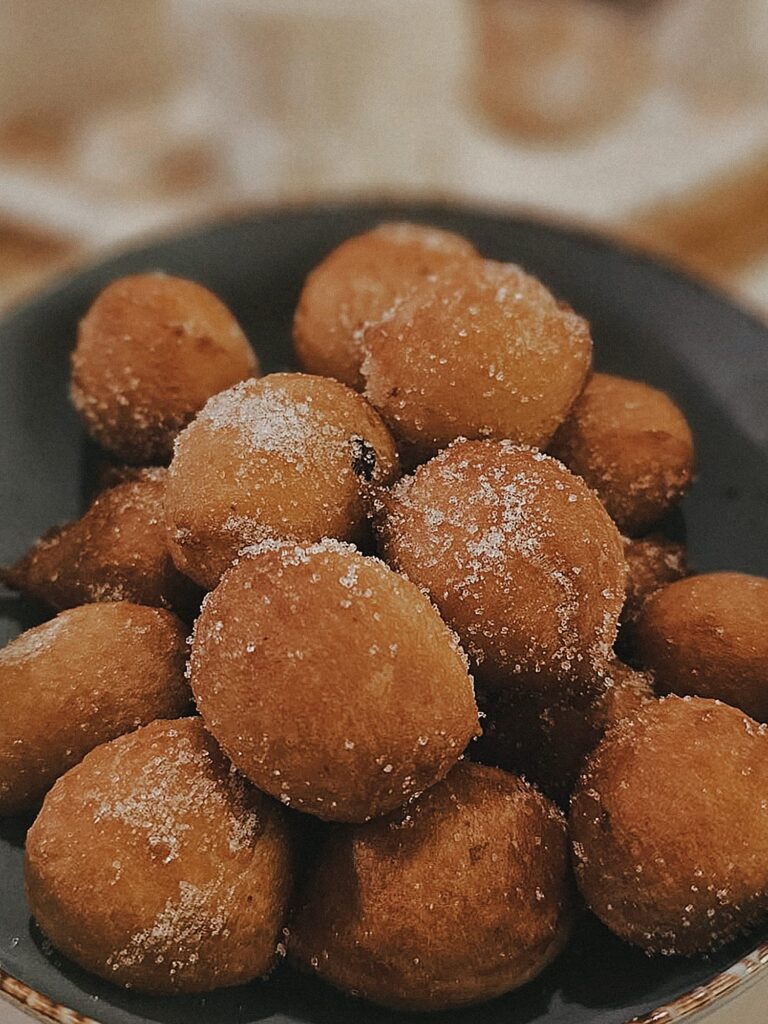
- These small, fluffy doughnuts are a festive treat, often flavored with rum, citrus zest, and raisins. They’re particularly popular during Carnival season and other celebrations.
- Rožata
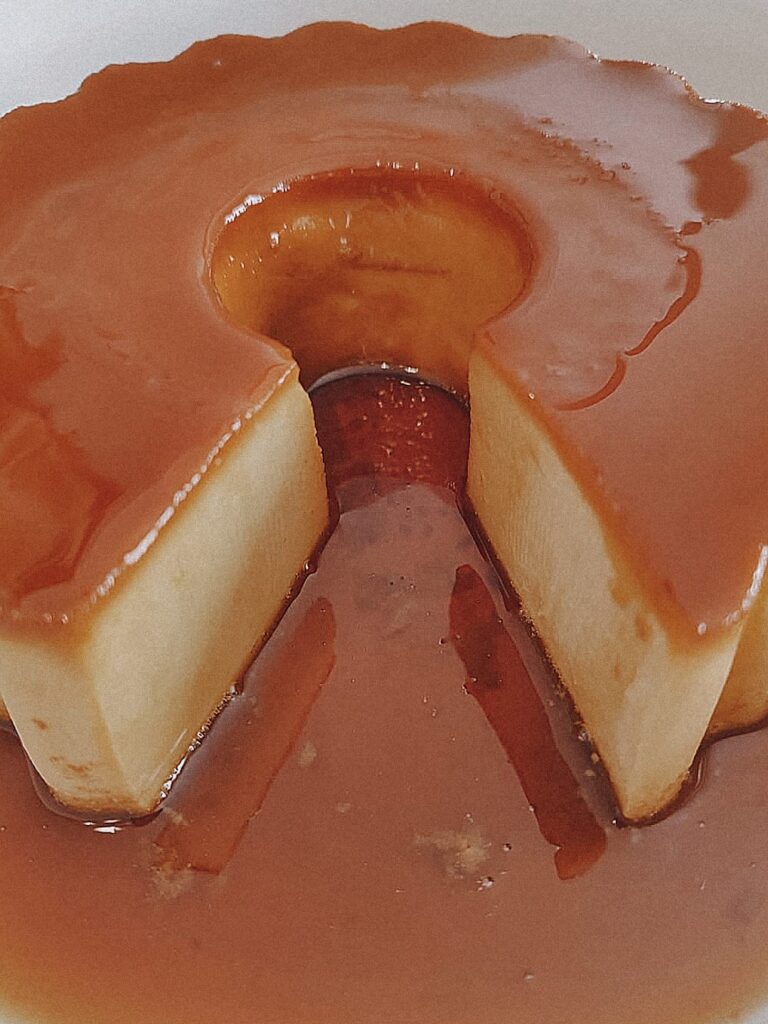
- Originating from the Dubrovnik region, rožata is a creamy caramel custard similar to flan. It’s often flavored with rose liqueur, giving it a unique aroma and taste.
- Orehnjača and Makovnjača
- These are rolled sweet breads filled with walnut (orehnjača) or poppy seed (makovnjača) paste. They’re common during holidays, especially Christmas and Easter.
- Kroštule
- These crispy, deep-fried pastries are popular along the coast, particularly in Dalmatia and Istria. They’re often dusted with powdered sugar and can be flavored with citrus zest or vanilla.
- Međimurska Gibanica
- This multi-layered pastry from northern Croatia is a true delight, filled with a mix of apples, walnuts, poppy seeds, and cheese. It’s a rich and flavorful dessert that showcases the region’s agricultural bounty.
Regional Specialties
Take a fast trip through the food of our areas:
Istria
Fuži: This homemade pasta, often quill-shaped, is a staple in Istrian cuisine. It’s frequently served with truffles, a prized ingredient in the region, or with various meat sauces like “žgvacet” (a rich beef stew).
Maneštra: A hearty vegetable stew, often made with beans, corn, and potatoes. It’s a comforting and rustic dish, reflecting Istria’s agricultural heritage.
Istrian Truffles: Both black and white truffles are found in Istria, adding a touch of luxury to many dishes. They’re used in pasta, sauces, and even desserts.
Dalmatia
Pašticada: A slow-cooked beef stew, typically made with prunes, dried figs, and red wine. It’s a rich and flavorful dish, often served with gnocchi or homemade pasta.
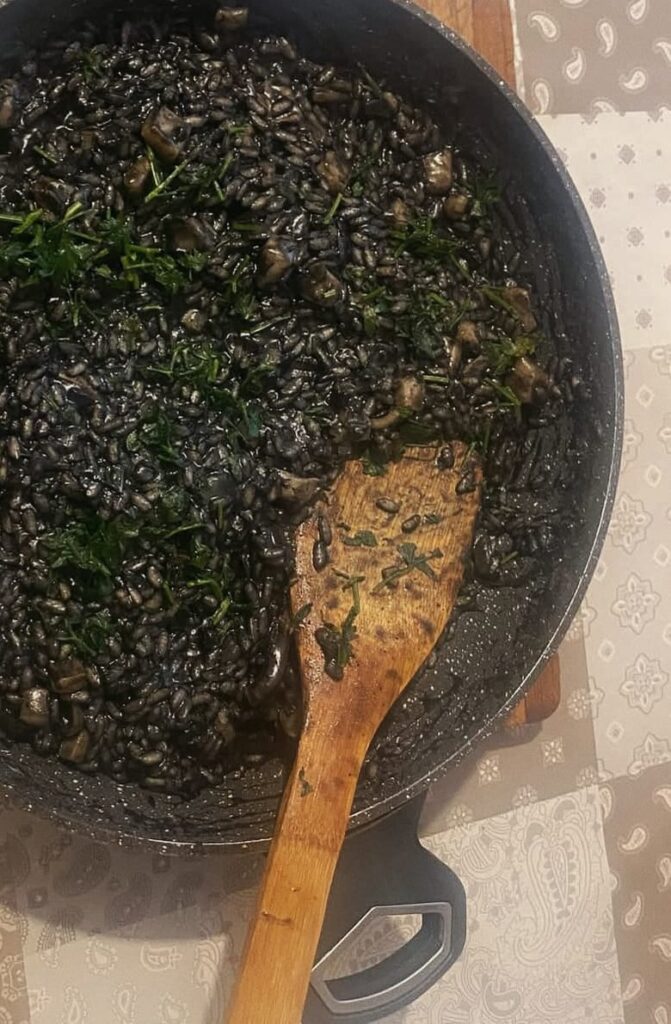
Crni Rižot: This black risotto gets its distinctive color and flavor from squid ink. It’s a popular seafood dish along the coast.
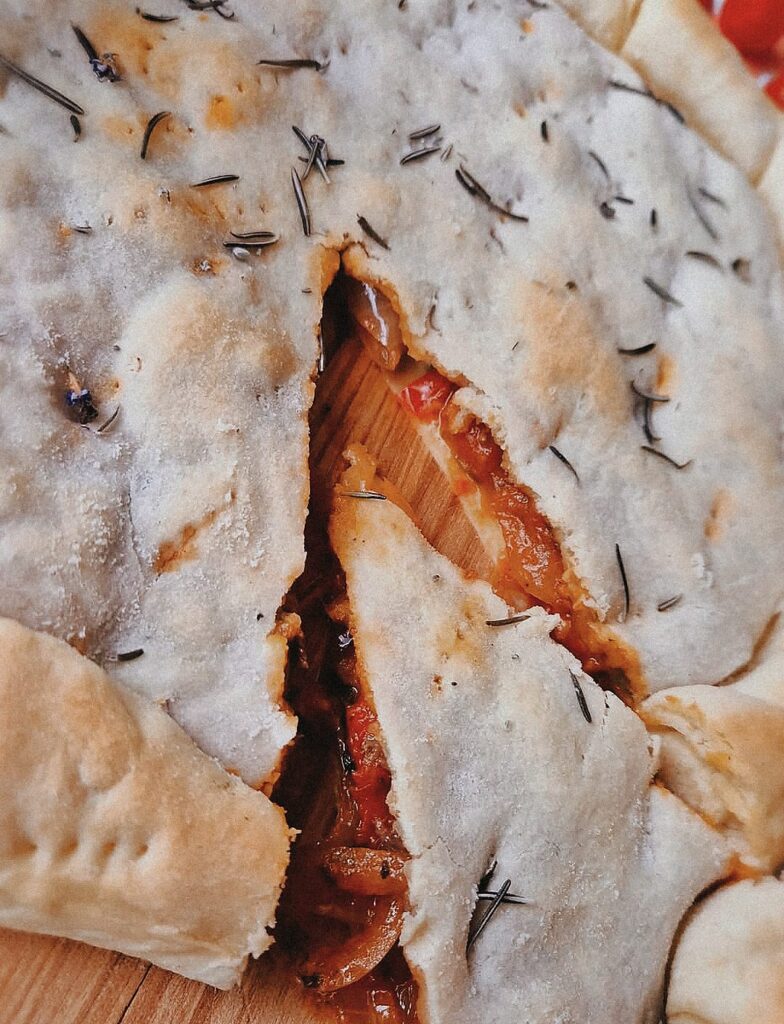
Soparnik: A thin savory pie filled with Swiss chard. It’s a simple yet delicious dish, traditionally made in the Poljica region near Split.
Slavonia
Čobanac: A hearty meat stew, typically made with various types of meat like beef, pork, and game. It’s a staple at gatherings and festivals in Slavonia.
Kulen: A spicy smoked sausage made with pork. It’s a prized delicacy in Slavonia, known for its intense flavor and aroma.
Fiš Paprikaš: A fish stew made with freshwater fish like carp or catfish, seasoned with paprika and other spices. It’s a popular dish along the rivers of Slavonia.
Lika
Lički krumpir: Potatoes from Lika are known for their high quality and unique taste, due to the region’s climate and soil. They’re often used in simple but delicious dishes like roasted potatoes or potato soup.
Lički sir škripavac: A type of cheese that squeaks when you bite into it. It’s a unique and flavorful cheese, often enjoyed with bread or potatoes.
Zagreb
Štrukli: A baked or cooked pastry filled with cottage cheese. It’s a popular dish in the Zagreb region, with many variations, including sweet and savory versions.
Purica s mlincima: Roasted turkey with “mlinci,” a type of flatbread. It’s a traditional dish served during holidays and special occasions.
Exploring these regional specialties is a great way to experience the diversity and richness of Croatian cuisine.
Eating Out: From Taverns to Eateries
While Croatians value home-cooked meals and gathering around the family dining table, especially for special occasions and Sunday lunches, a growing trend, particularly among younger generations, is the enjoyment of dining out.
Places to Eat:
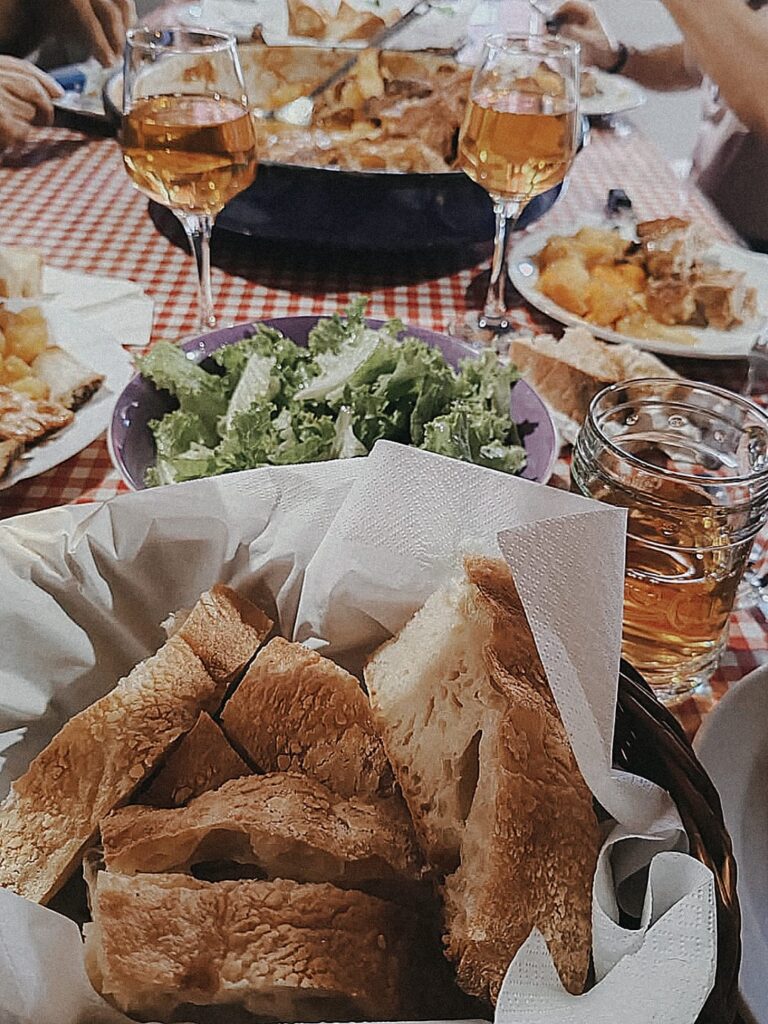
Konobas: These are cozy, old-style taverns where you can eat local dishes and drink wine. Perfect for real Croatian food.
Restaurants: You’ll find everything from laid-back spots to fancy places. They serve both local and global dishes.
Pizzerias: Pizza is very loved here, and you’ll see pizza places in most towns.
Fast food: Quick food is easy to find, especially in areas with visitors. Most popular fast food is ćevapi.
That’s a closer look at Croatian food. It’s full of taste, past, and care. I hope you liked this tasty trip. Dobar tek! (Bon Apettit!)
From the author
Want to taste Dalmatian food the way locals actually eat it?
My Essential Split Walking Tour passes through the old town market, past prosciutto and cheese vendors, and ends near the best spots for a traditional morning bite. Small groups only.
See the Walking Tour →Further reading: Croatian Cuisine — Wikipedia


